


NEWS
-
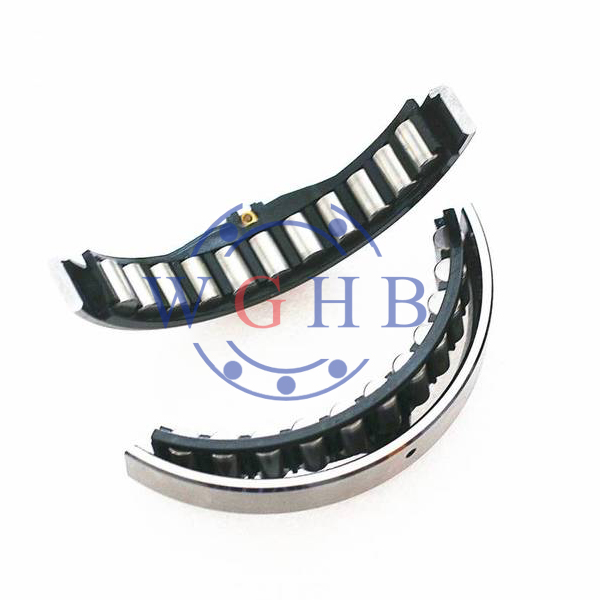
Crescent Bearing Applications in Modern Mechanical Equipment
Bearings are essential components in modern mechanical systems because they support moving parts and help control friction during operation.
-
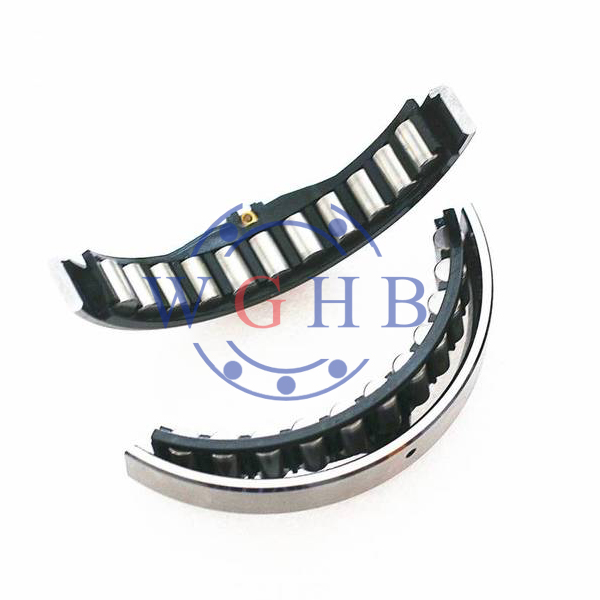
Crescent Bearing: A Practical Solution for Reliable Industrial Applications
In modern industrial equipment, bearing performance has a direct impact on operating stability, service life, and maintenance requirements.
-
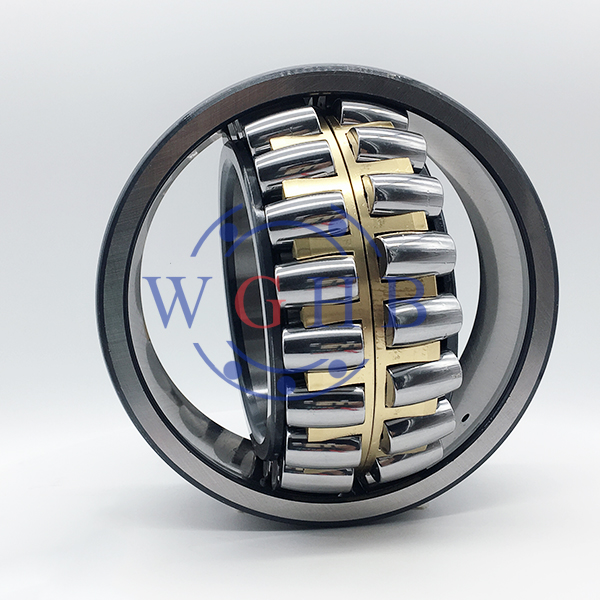
Why Does My Spherical Roller Bearing Overheat and How to Cool It
Overheating in spherical roller bearings is an increasingly common concern for industrial operators running mills, conveyors, power machinery, and mining equipment. Excess heat not only accelerates wear and oxidation of lubricants but also compromises load capacity and shortens bearing lifespan. With production lines moving faster and machines handling heavier loads, understanding why spherical roller bearings overheat — and how to cool them — has become a key maintenance priority.
-
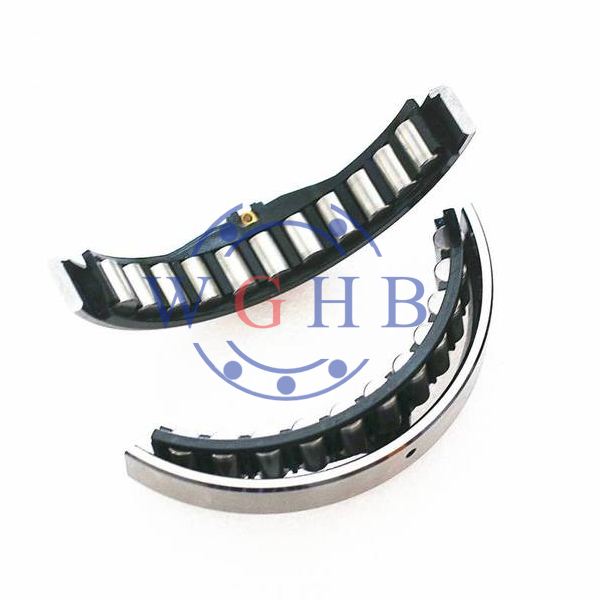
How to Choose the Right Crescent Bearing for Industrial Machinery
Selecting the correct bearing is an important step in designing reliable industrial machinery.
-
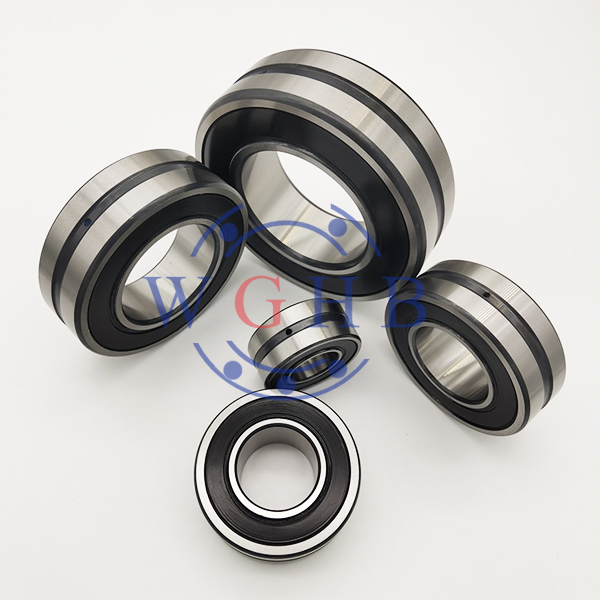
How to Reduce Vibration Caused by Misaligned Spherical Roller Bearings
Spherical roller bearings are widely used in heavy-duty machinery, industrial conveyors, mining equipment, and power transmission systems due to their ability to accommodate radial and axial loads simultaneously. However, misalignment remains a frequent and costly issue that leads to abnormal vibration, noise, and accelerated wear. As industries continue to seek higher efficiency and longer machine life cycles, addressing vibration caused by misaligned spherical roller bearings has become a critical maintenance priority.
-
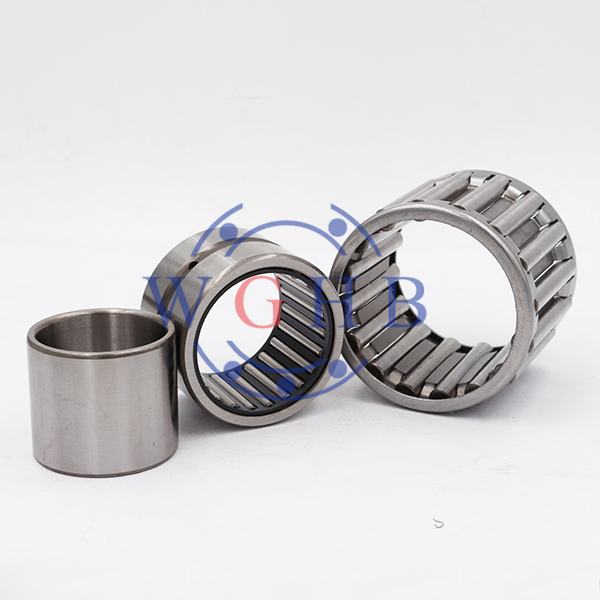
What Causes Needle Bearing Noise and How to Fix It
Needle bearings are widely used in high-load, high-speed applications across automotive transmissions, industrial machinery, power tools, and aerospace components. Despite their durability and compact design, these bearings can sometimes generate noticeable noise during operation. While noise may appear minor at first, it often indicates an underlying mechanical issue that could progress to premature failure if not addressed promptly.
-
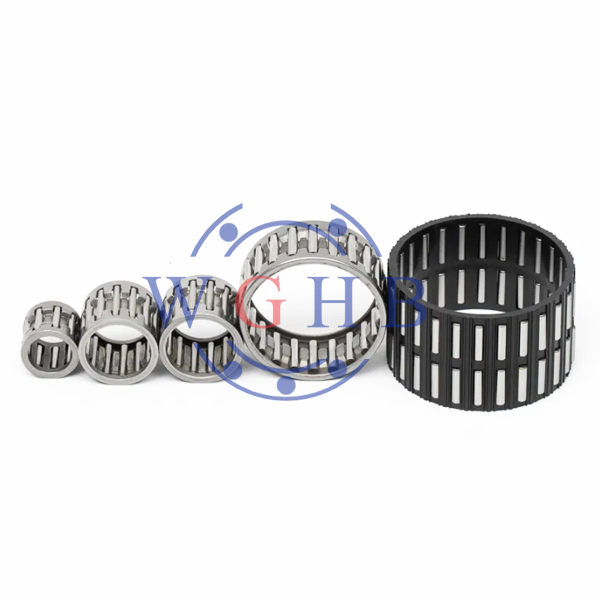
How to Properly Lubricate a Needle Roller Bearing to Prevent Early Failure
Needle roller bearings are widely used in automotive transmissions, industrial machinery, agricultural equipment, and compact mechanical systems due to their high load capacity and space-saving design. However, despite their robust performance characteristics, improper lubrication remains one of the most common causes of premature bearing failure. Industry engineers emphasize that correct lubrication practices can significantly extend service life, improve system efficiency, and reduce maintenance downtime.
-
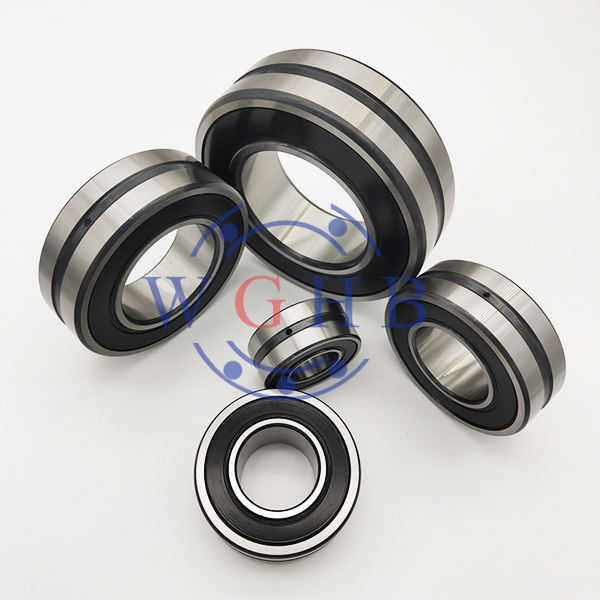
Spherical Roller Bearings Strengthen Reliability in Heavy-Duty Industrial Applications
As industries continue to demand higher reliability from rotating equipment, the Spherical Roller Bearing remains a key component in heavy-duty and high-load environments. Known for its ability to accommodate misalignment and support substantial radial and axial loads, this bearing type plays an essential role across mining, power generation, and processing industries.
-
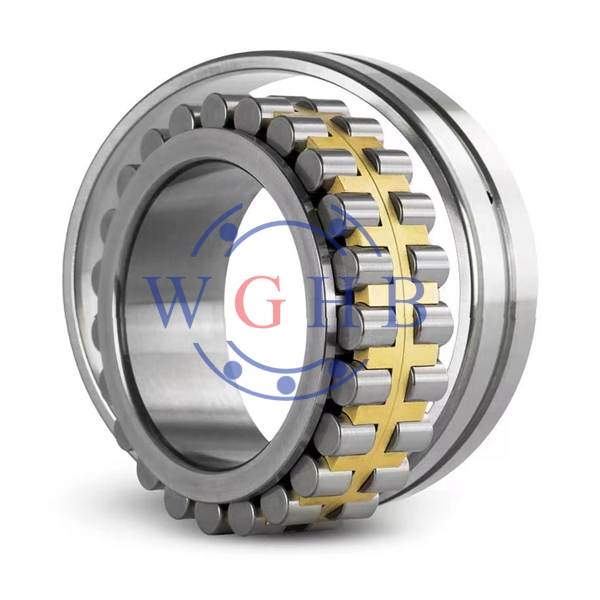
Applications of Double Row Cylindrical Roller Bearings in Heavy-Duty Industries
Double row cylindrical roller bearings are gaining increased attention in industrial news as manufacturers seek bearing solutions capable of handling higher loads and improving equipment stability. Designed with two rows of cylindrical rollers, these bearings offer enhanced load capacity and rigidity compared to single-row designs, making them a preferred choice for demanding mechanical applications.
-
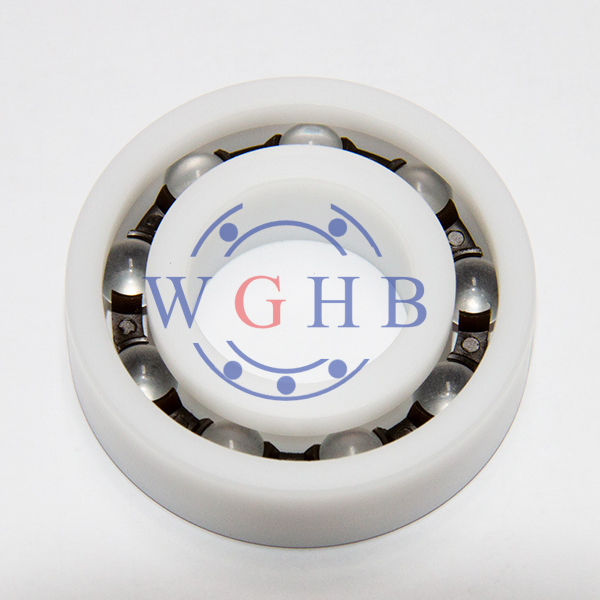
Special Material Bearings Gain Wider Adoption Across Diverse Industrial Sectors
As industrial environments become more complex and application-specific, Special material bearings are increasingly replacing conventional steel bearings in critical systems. Designed to address challenges such as corrosion, extreme temperatures, noise control, and chemical exposure, these advanced bearing solutions are reshaping performance standards across manufacturing, automation, and processing industries.
-
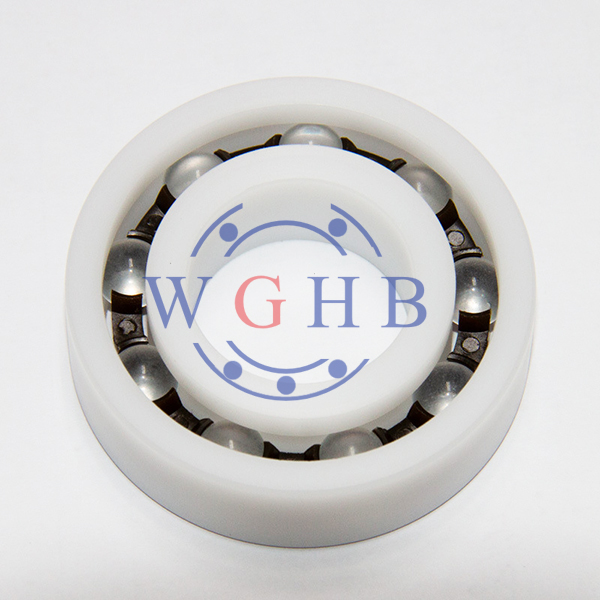
High-Temperature Resistant Ceramic Bearings Expand the Market for Special Material Bearings
As industrial equipment continues to operate under extreme conditions, high-temperature resistant ceramic bearings are attracting growing attention across multiple sectors. From a manufacturing and engineering news perspective, these components represent a significant advancement within the broader category of Special material bearings, offering solutions where conventional steel bearings reach their performance limits.
-
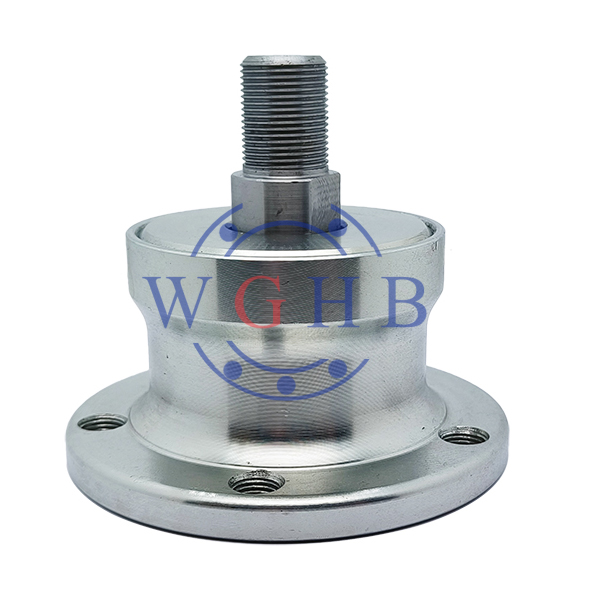
Special Mechanical Bearings Drive Performance in Advanced Industrial Applications
As industrial equipment becomes more specialized and operates under increasingly demanding conditions, special mechanical bearings are gaining greater attention across manufacturing and logistics sectors. Unlike standard bearings designed for general-purpose use, these bearings are engineered to meet specific operational requirements, ensuring reliability, precision, and long service life in critical machinery.