


What load testing standards apply to ADAPT series bearings
2025-12-17
Understanding the Rigorous Load Testing Standards for ADAPT Series Bearings
In heavy-duty industrial applications—such as continuous casters, paper mills, and power generation—the reliability of a bearing can determine the success of an entire production line. Among the most innovative solutions in recent years are ADAPT series bearings. Known for their unique ability to handle simultaneous misalignment and axial float, these bearings must adhere to strict international load testing standards to ensure operational safety.
But which standards actually apply to these high-capacity components? Let’s break down the technical benchmarks that define their quality.
1. ISO 281: Dynamic Load Ratings and Life Calculation
The primary standard governing the performance of ADAPT series bearings is ISO 281. This international standard specifies the methods for calculating the basic dynamic radial load rating ($C_r$).
Because ADAPT bearings utilize a proprietary internal geometry (combining cylindrical and spherical attributes), ISO 281 provides the mathematical framework to calculate the $L_{10}$ life—the life that 90% of a group of identical bearings can be expected to achieve or exceed.
Key Takeaway: ISO 281 ensures that when you see a load rating on a ShengBang or ADAPT technical sheet, it is based on universally accepted fatigue life physics.
2. ISO 76: Static Load Capacity
For applications where bearings remain stationary or rotate at very low speeds under heavy weight, ISO 76 is the gold standard. This standard defines the "Basic Static Load Rating" ($C_0$).
For ADAPT series bearings, static testing is critical because it ensures that the rollers and raceways do not undergo permanent deformation (brinelling) when subjected to peak loads. Compliance with ISO 76 guarantees that the bearing can withstand its maximum rated capacity without compromising smooth rotation later on.
3. ANSI/ABMA Standards 9 & 11
In the North American market, many manufacturers also test ADAPT series bearings against ANSI/ABMA Standards.
-
Standard 9: Load ratings and fatigue life for ball bearings.
-
Standard 11: Load ratings and fatigue life for roller bearings.
Since ADAPT bearings function as advanced roller bearings, Standard 11 is particularly relevant, ensuring that the materials and manufacturing processes meet the high expectations of the global industrial supply chain.
4. Proprietary Performance Testing at ShengBang
Beyond international standards, ADAPT series bearings often undergo specialized "Limit Load" and "Fracture Load" testing. This is especially true for bearings used in the float position of continuous casters.
At ShengBang, our production of special mechanical bearings involves rigorous quality control that mirrors these requirements. These tests simulate:
-
High Thermal Expansion: Testing how the bearing manages axial growth without increasing internal stress.
-
Misalignment Tolerance: Ensuring the bearing maintains load capacity even when the shaft is misaligned by up to $0.5^circ$.
The ShengBang Advantage: Quality Beyond Standards
We recognize that meeting a standard is the baseline, not the finish line. By using high-purity steel and advanced heat treatment, ShengBang ensures our bearings exceed the fatigue life predicted by standard ISO calculations. Our commitment to precision engineering allows our clients to minimize downtime and maximize ROI.
Conclusion
When asking what load testing standards apply to ADAPT series bearings, the answer lies in a combination of ISO 281 (Dynamic), ISO 76 (Static), and rigorous internal protocols. These standards provide the peace of mind that your machinery will stay in motion, even under the most punishing conditions.
Are you looking for high-performance bearings that meet international load standards?
Explore our full range of industrial solutions at ShengBang Bearing or contact our engineering team today for a technical consultation.
RELATED NEWS
-
How to Choose the Right Crescent Bearing for Industrial Machinery
Selecting the correct bearing is an important step in designing reliable industrial machinery.
-
Crescent Bearing: A Practical Solution for Reliable Industrial Applications
In modern industrial equipment, bearing performance has a direct impact on operating stability, service life, and maintenance requirements.
-
Why Does My Spherical Roller Bearing Overheat and How to Cool It
Overheating in spherical roller bearings is an increasingly common concern for industrial operators running mills, conveyors, power machinery, and mining equipment. Excess heat not only accelerates wear and oxidation of lubricants but also compromises load capacity and shortens bearing lifespan. With production lines moving faster and machines handling heavier loads, understanding why spherical roller bearings overheat — and how to cool them — has become a key maintenance priority.
-
How to Reduce Vibration Caused by Misaligned Spherical Roller Bearings
Spherical roller bearings are widely used in heavy-duty machinery, industrial conveyors, mining equipment, and power transmission systems due to their ability to accommodate radial and axial loads simultaneously. However, misalignment remains a frequent and costly issue that leads to abnormal vibration, noise, and accelerated wear. As industries continue to seek higher efficiency and longer machine life cycles, addressing vibration caused by misaligned spherical roller bearings has become a critical maintenance priority.
-
What Causes Needle Bearing Noise and How to Fix It
Needle bearings are widely used in high-load, high-speed applications across automotive transmissions, industrial machinery, power tools, and aerospace components. Despite their durability and compact design, these bearings can sometimes generate noticeable noise during operation. While noise may appear minor at first, it often indicates an underlying mechanical issue that could progress to premature failure if not addressed promptly.
-
How to Properly Lubricate a Needle Roller Bearing to Prevent Early Failure
Needle roller bearings are widely used in automotive transmissions, industrial machinery, agricultural equipment, and compact mechanical systems due to their high load capacity and space-saving design. However, despite their robust performance characteristics, improper lubrication remains one of the most common causes of premature bearing failure. Industry engineers emphasize that correct lubrication practices can significantly extend service life, improve system efficiency, and reduce maintenance downtime.
-
Spherical Roller Bearings Strengthen Reliability in Heavy-Duty Industrial Applications
As industries continue to demand higher reliability from rotating equipment, the Spherical Roller Bearing remains a key component in heavy-duty and high-load environments. Known for its ability to accommodate misalignment and support substantial radial and axial loads, this bearing type plays an essential role across mining, power generation, and processing industries.
-
Applications of Double Row Cylindrical Roller Bearings in Heavy-Duty Industries
Double row cylindrical roller bearings are gaining increased attention in industrial news as manufacturers seek bearing solutions capable of handling higher loads and improving equipment stability. Designed with two rows of cylindrical rollers, these bearings offer enhanced load capacity and rigidity compared to single-row designs, making them a preferred choice for demanding mechanical applications.
-
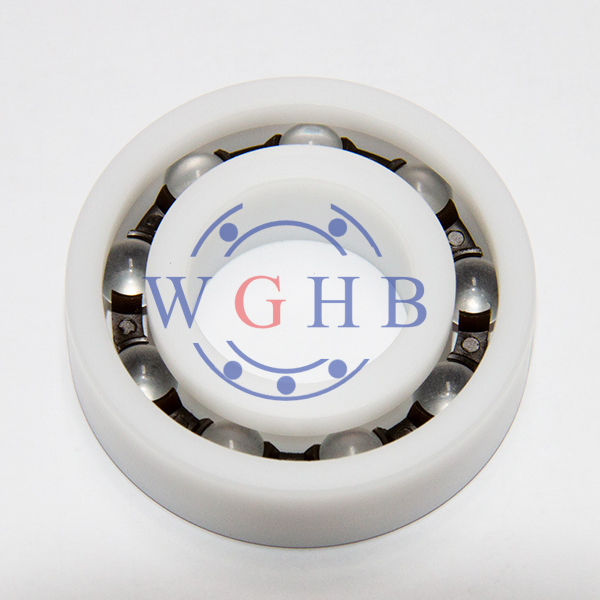
Special Material Bearings Gain Wider Adoption Across Diverse Industrial Sectors
As industrial environments become more complex and application-specific, Special material bearings are increasingly replacing conventional steel bearings in critical systems. Designed to address challenges such as corrosion, extreme temperatures, noise control, and chemical exposure, these advanced bearing solutions are reshaping performance standards across manufacturing, automation, and processing industries.
-
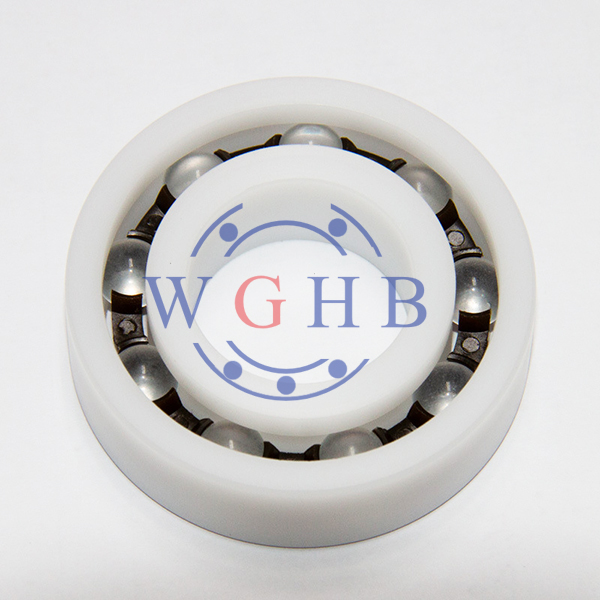
High-Temperature Resistant Ceramic Bearings Expand the Market for Special Material Bearings
As industrial equipment continues to operate under extreme conditions, high-temperature resistant ceramic bearings are attracting growing attention across multiple sectors. From a manufacturing and engineering news perspective, these components represent a significant advancement within the broader category of Special material bearings, offering solutions where conventional steel bearings reach their performance limits.
-
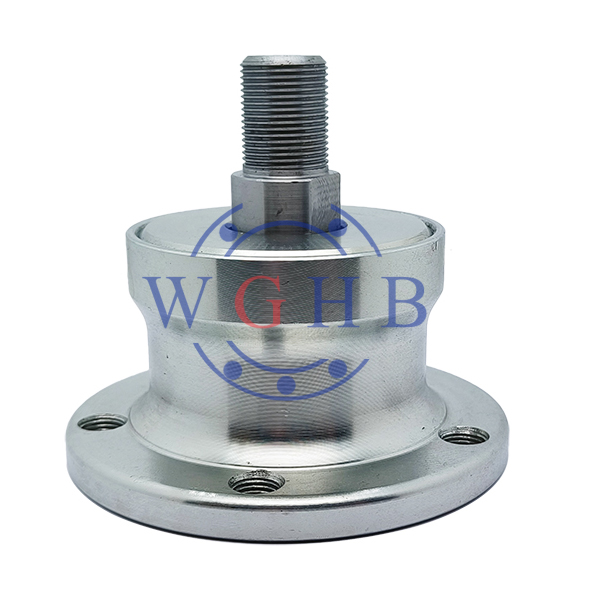
Special Mechanical Bearings Drive Performance in Advanced Industrial Applications
As industrial equipment becomes more specialized and operates under increasingly demanding conditions, special mechanical bearings are gaining greater attention across manufacturing and logistics sectors. Unlike standard bearings designed for general-purpose use, these bearings are engineered to meet specific operational requirements, ensuring reliability, precision, and long service life in critical machinery.
-
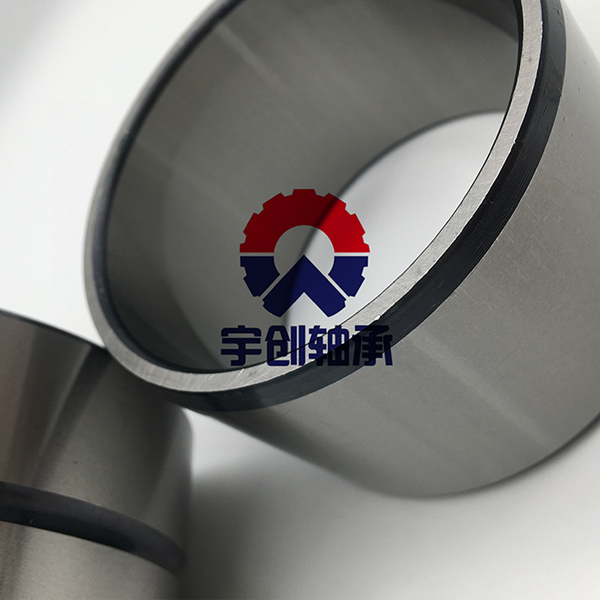
The Critical Role of Needle Bearing Technology in Modern Cam Followers
In the complex world of industrial automation, the ability to convert rotary motion into linear motion with high precision is vital. At the center of this transition is the cam follower - a specialized type of roller bearing designed to follow cam profiles or tracks. However, the secret to their durability and load-carrying capacity lies in a specific internal component: the needle bearing.
-
Innovation in Motion: How Special Mechanical Bearings are Redefining Agricultural Efficiency
In the world of industrial machinery, not all environments are created equal. While standard bearings thrive in clean, temperature-controlled factory settings, agricultural machinery bearings must endure a completely different reality. From the abrasive dust of harvest season to the corrosive moisture of fertilizer application, the demand for special mechanical bearings has never been higher.
-
What Is a Needle Bearing? Compact Strength in High-Performance Machinery
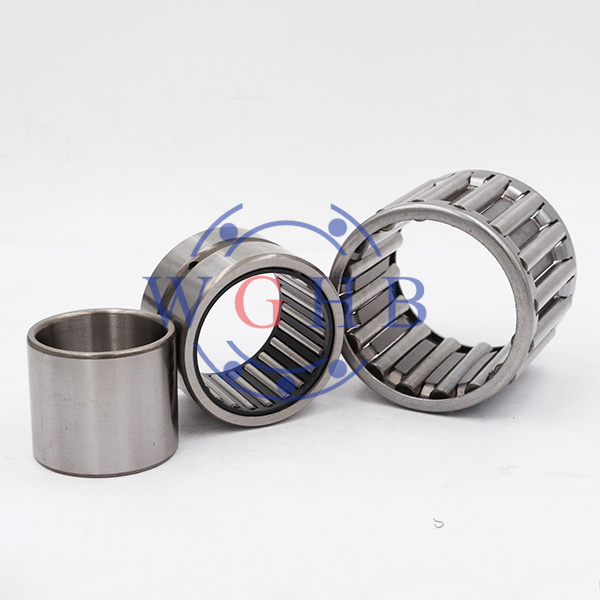
A needle bearing, also known as a needle roller bearing, is a type of roller bearing that uses long, thin cylindrical rollers resembling needles. Despite their small cross-section, needle bearings are designed to carry high radial loads efficiently while minimizing space requirements.
-
What Are the Advantages of Needle Bearings? Compact Power with High Efficiency
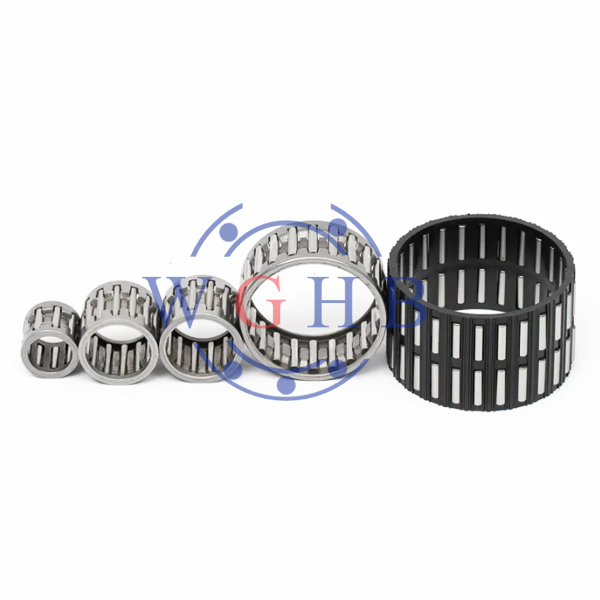
Needle bearings offer several distinct advantages that make them essential in compact, high-performance mechanical systems. Their slender cylindrical rollers provide a greater surface area in contact with the raceway, allowing them to carry higher radial loads than ball bearings of similar size.
-
When to Use Needle Roller Bearings
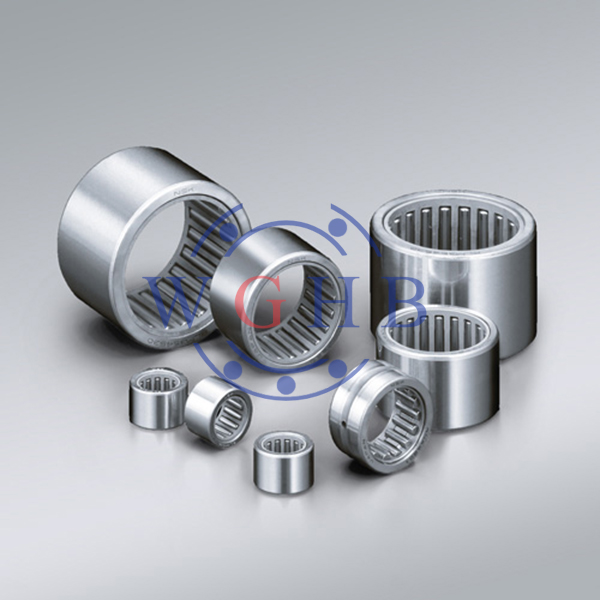
Needle roller bearings are the ideal choice when you need to support high radial loads in a compact design. Their slim rollers allow for a reduced cross-section, making them perfect for applications where space and weight are limited—such as in automotive transmissions, two-stroke engines, power tools, and industrial gear drives.
-
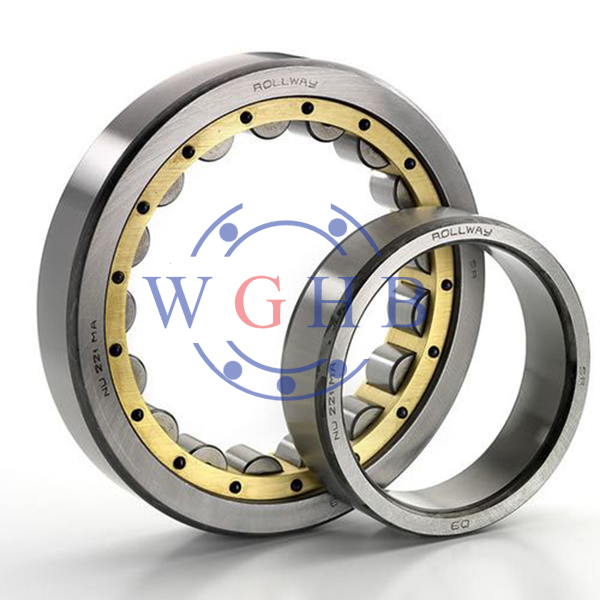
Single Row Cylindrical Roller Bearings vs Double Row: A Comparative Insight for Industrial Performance
In the world of precision engineering and industrial machinery, cylindrical roller bearings play a crucial role in supporting radial loads and ensuring smooth rotation under demanding conditions. Among their variants, single row and double row cylindrical roller bearings are frequently used across sectors ranging from electric motors to heavy-duty gearboxes. But what are the real differences between the two, and how do you determine which is best for a given application?
-
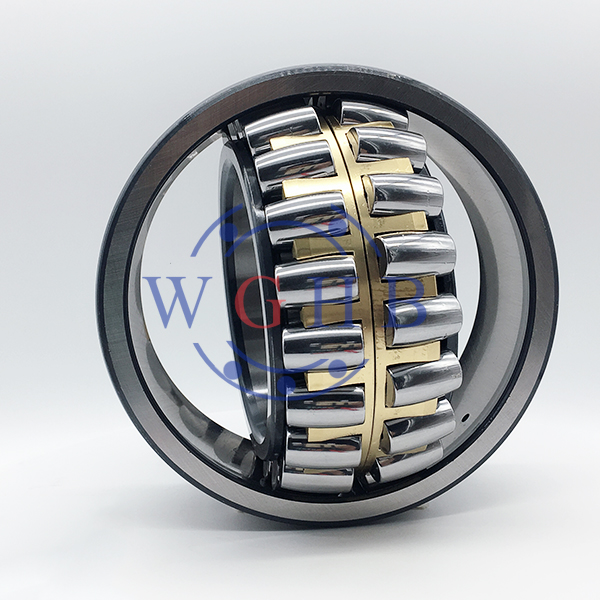
What Is the Difference Between Spherical and Tapered Roller Bearings
Roller bearings are vital components in machines that demand high load-bearing capacity and precision. Among the many types available, spherical roller bearings and tapered roller bearings are two of the most commonly used. Though both are designed to manage heavy loads and reduce friction, their design and performance characteristics differ significantly—making each ideal for specific applications.
-
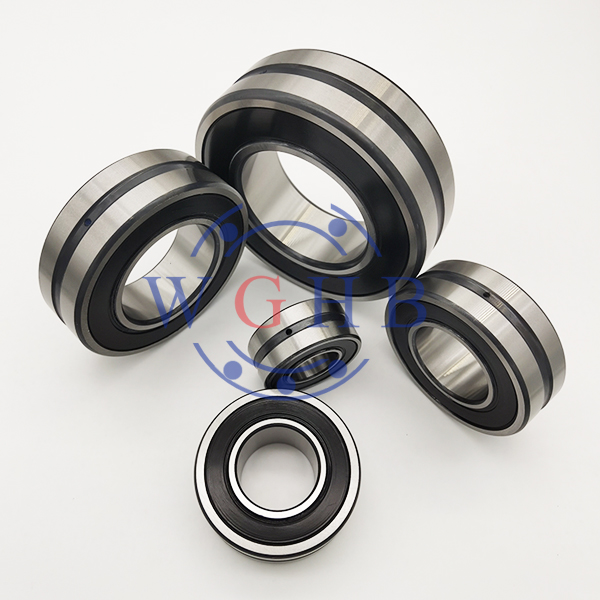
What Are the Three Types of Roller Bearings?
Roller bearings are a fundamental part of mechanical systems across countless industries, enabling smooth rotation and reducing friction under heavy loads. But did you know that there are three primary types of roller bearings, each tailored for specific load and movement conditions?
-
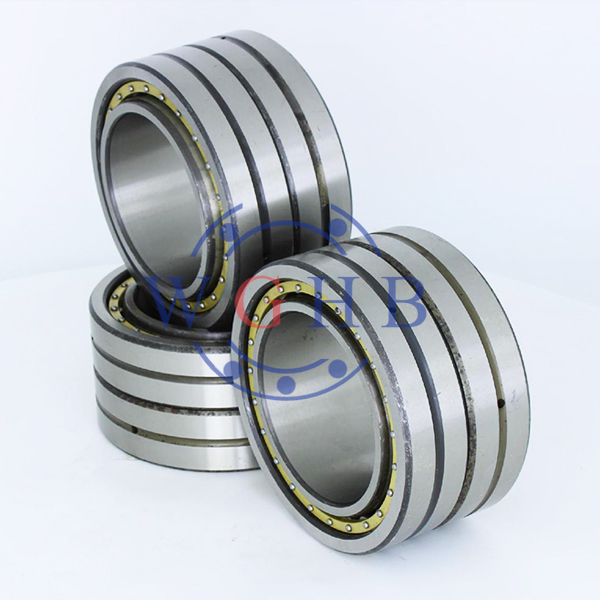
What Are Rolling Bearings Used For? Driving Efficiency Across Global Industries
Rolling bearings are essential components in countless machines, quietly supporting modern life by reducing friction and enabling smooth, efficient motion. But what exactly are rolling bearings used for, and why are they so critical to engineering and industry?
-
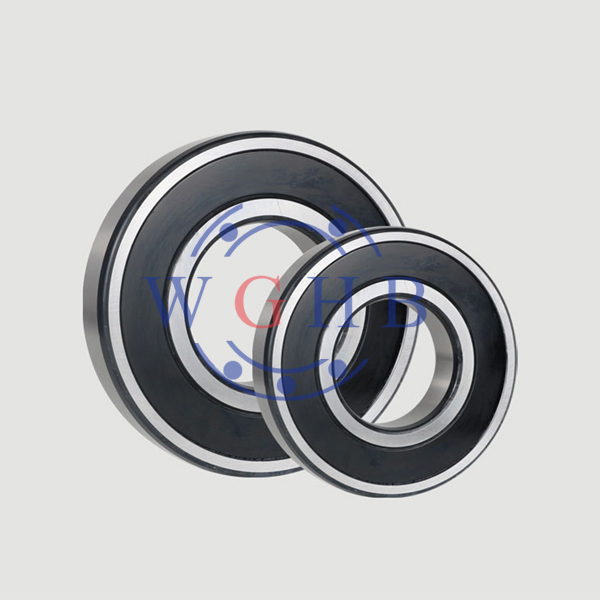
What Is Rubber Sealed Deep Groove Ball Bearings
Rubber sealed deep groove ball bearings are a specialized type of rolling element bearing designed to offer both high performance and superior protection in demanding environments. But what exactly sets them apart, and why are they a preferred choice across numerous industries?
-
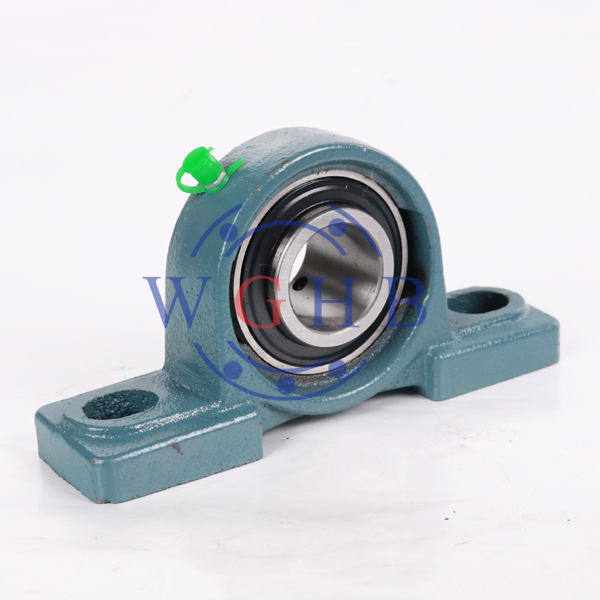
What Is the Casting of Bearing Housing
The casting of bearing housing plays a critical role in the performance and durability of bearings used across numerous industrial applications. But what exactly does casting a bearing housing involve—and why is it so important?
-
How Long Do Pillow Block Bearings Last
However, in more demanding environments—such as those with high moisture, abrasive contaminants, or heavy shock loads—bearing lifespan can shorten significantly. For instance, in mining or food processing plants where water and particulates are common, the life expectancy may range from 5,000 to 15,000 hours without proper protection and maintenance.
-
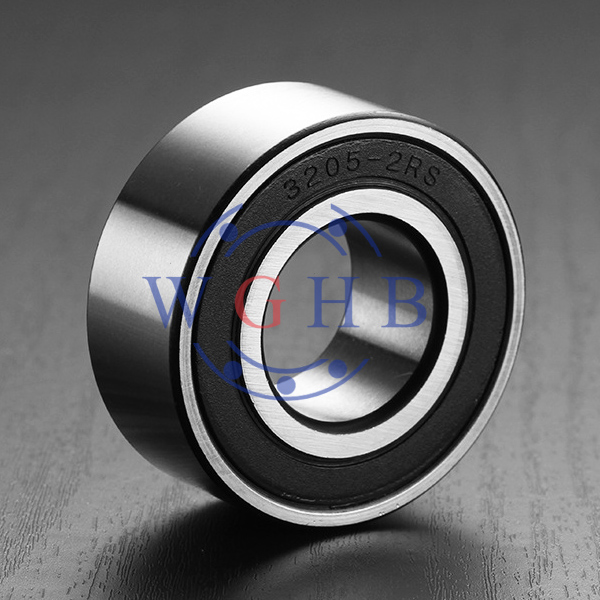
What Is a Double Row Bearing?
A double row bearing is a specialized type of rolling bearing designed to handle higher loads and provide increased stability compared to single row bearings. As the name suggests, it features two rows of rolling elements, such as balls or rollers, arranged within a single housing or outer ring. This unique configuration enhances the bearing’s performance and versatility across various applications.
-

What Are the Advantages of Double Row Bearings?
Double row bearings, which consist of two rows of rolling elements, offer a range of advantages that make them an essential choice in various mechanical and industrial applications. These bearings are designed to handle both radial and axial loads, providing enhanced stability and reliability. Here are some of the key advantages of using double row bearings.
-
Where Are Double Row Roller Bearings Used?
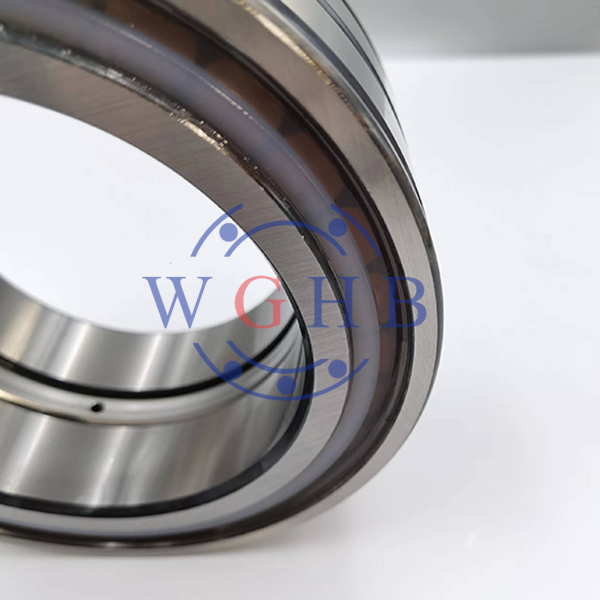
Double row roller bearings are widely utilized in various industries due to their high load-bearing capacity, durability, and ability to handle both radial and axial loads simultaneously. Their unique design, featuring two rows of cylindrical rollers, allows them to provide enhanced stability and performance compared to single row bearings. Below, we explore some of the key industries and applications where double row roller bearings are commonly used.
-
Why the Double Row Roller Bearing is Used
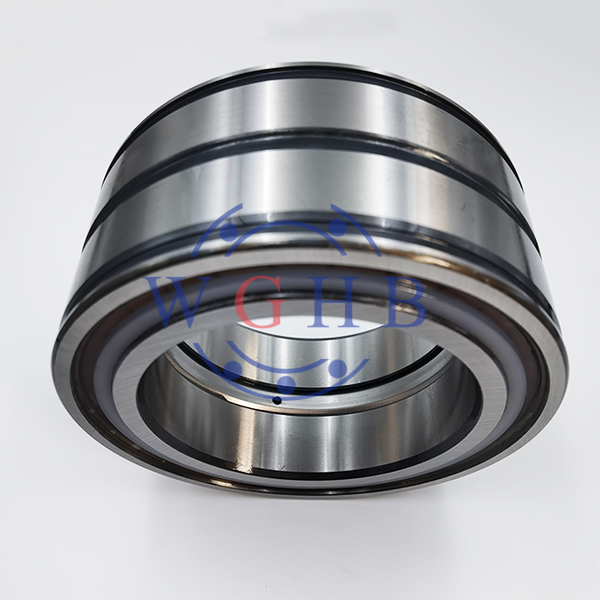
Double row roller bearings are a popular choice in a variety of industrial and mechanical applications due to their unique design and performance characteristics. Unlike single-row bearings, double row roller bearings consist of two rows of rolling elements, which offer enhanced load-bearing capacity and improved stability.
-
What Are the Advantages of Pillow Block Bearings?
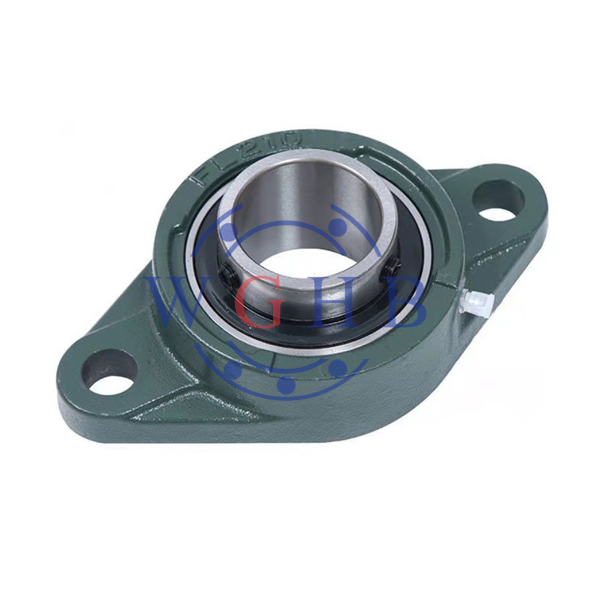
Pillow block bearings are essential components in various industrial and mechanical applications, offering several advantages that enhance efficiency and reliability. These self-contained bearing units are designed to support rotating shafts while minimizing friction, making them a versatile choice for diverse machinery.
-
What is the Difference Between a Pillow Block and a Flange Block?
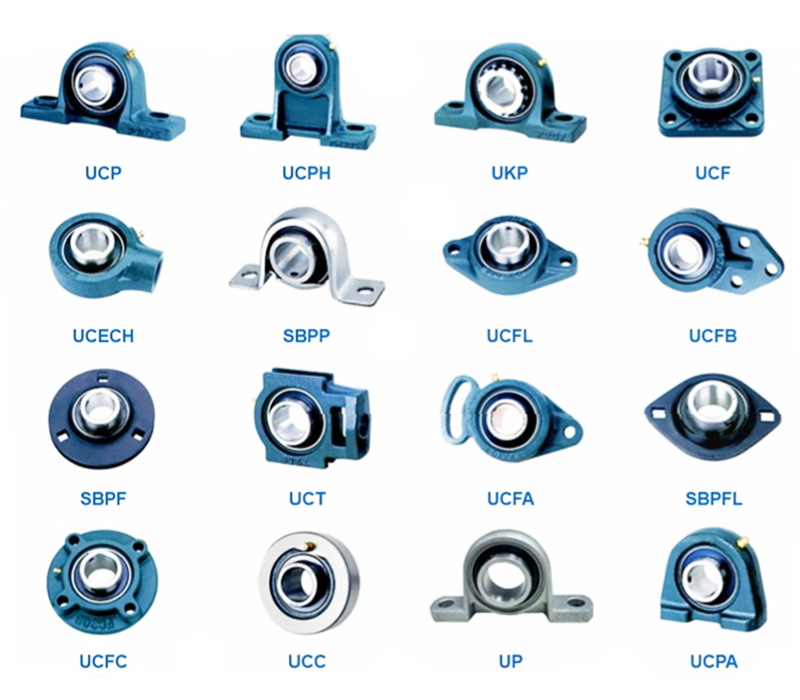
Pillow block bearings and flange block bearings are both types of mounted bearings used to support rotating shafts in various machinery applications. While they share some similarities in function, they differ in design and installation, making them suited for different uses. Understanding the key differences between these two types of bearing mounts can help you choose the right one for your specific application.
-
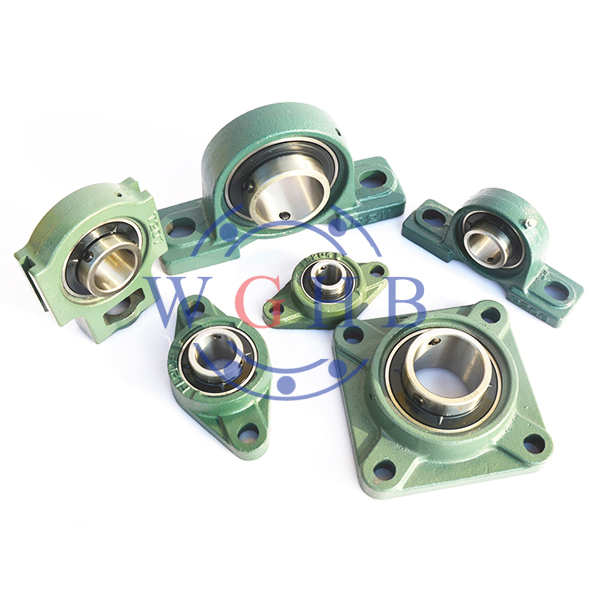
What is a Pillow Block Bearing?
A pillow block bearing is a type of mounted bearing that consists of a bearing housed in a sturdy casing, which is typically made of cast iron, steel, or composite materials. This type of bearing is designed to support a rotating shaft, and its unique design allows for easier installation and maintenance compared to traditional bearings. Pillow block bearings are commonly used in a variety of industrial applications, including motors, conveyors, and machinery, where they facilitate smooth rotation and reduce friction.
-
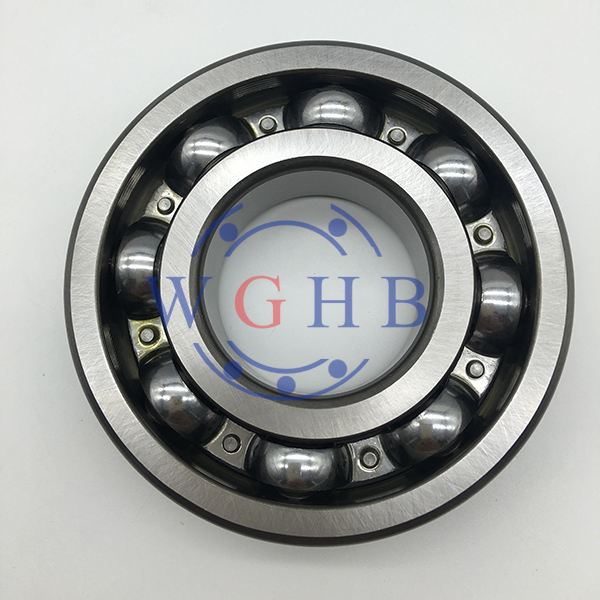
Are Deep Groove Bearings Better? Exploring the Advantages and Applications
Bearings play a crucial role in ensuring the smooth and efficient operation of machinery in the world of mechanical components. Among the various types of bearings, deep groove ball bearings have gained significant attention for their versatility and performance. But are deep groove bearings truly better than other types? This article delves into their advantages and applications to provide a comprehensive answer.
-
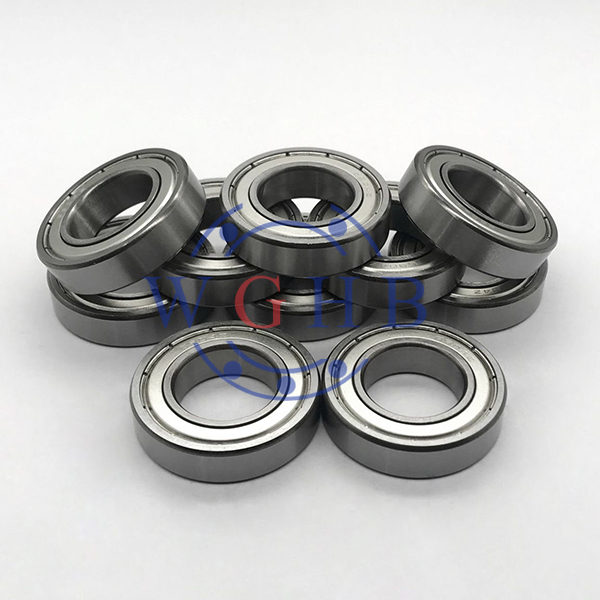
What Are the Different Types of Deep Groove Ball Bearings?
Deep groove ball bearings are one of the most commonly used types of bearings due to their versatility, reliability, and ability to handle both radial and axial loads. These bearings are designed with deep raceway grooves that allow the balls to roll smoothly and handle high speeds with minimal friction.
-
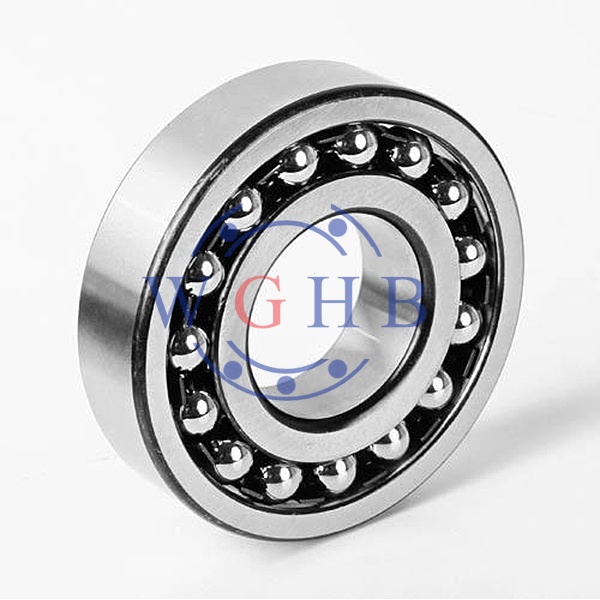
What is a Self-Aligning Ball Bearing?
A Self-Aligning Ball Bearing is a specially designed rolling bearing that can automatically adjust its position when there is a slight angular error between the shaft and the bearing seat, thereby maintaining smooth operation. The main feature of this type of bearing is that it can adapt to a certain range of shaft deflection or installation errors, avoiding premature wear or failure caused by incorrect angles.
-
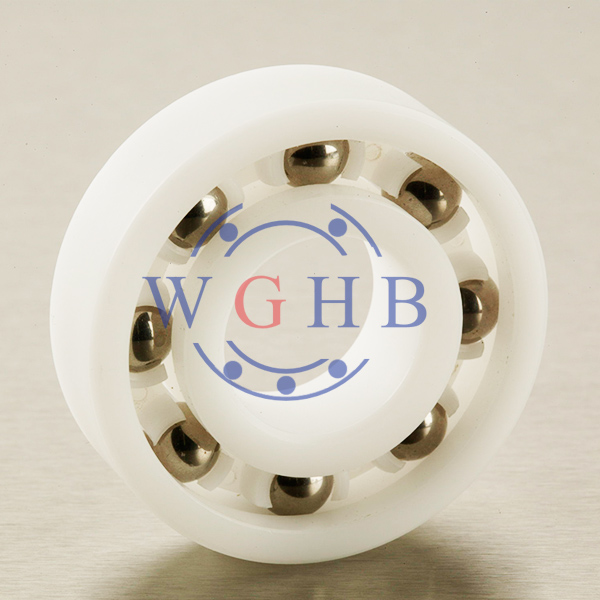
What are the advantages of high-temperature bearings?
High-temperature bearings are specialized types of bearings designed to operate effectively in high-temperature environments. These bearings are made from heat-resistant materials and lubricants to ensure they maintain their performance and lifespan despite exposure to elevated temperatures. They are commonly used in applications such as aerospace, automotive turbochargers, and industrial machinery where high temperatures are generated or encountered.
-
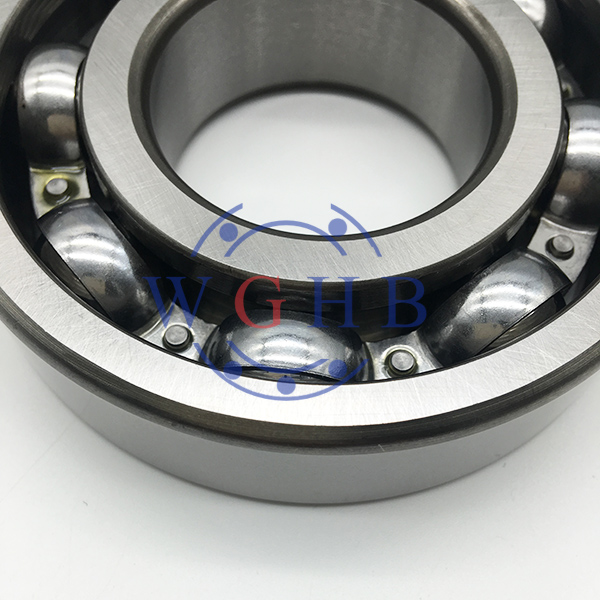
Application fields of open deep groove ball bearings
Open deep groove ball bearings are widely used in various industrial and daily equipment due to their unique design and excellent performance. The structural feature of deep groove ball bearings is that the grooves of the inner and outer rings are deeper, which can accommodate more rolling elements, thereby providing higher load carrying capacity and lower friction coefficient. This makes open deep groove ball bearings highly applicable in many fields.
-
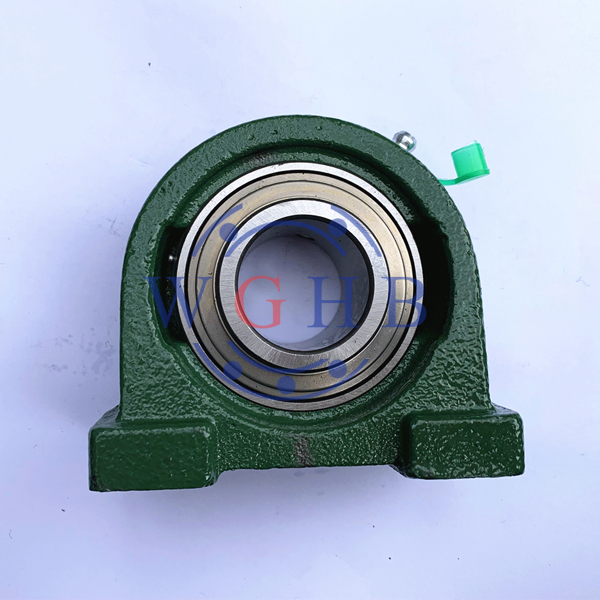
What is the role of Cast Bearing Housing?
Cast bearing housing, also known as cast bearing housing, is an important component in the bearing system, mainly used to support the rotating shaft and keep the bearing in the correct position. It not only provides protection for the bearing, but also ensures the stability and accuracy of the equipment during operation. The following are the main functions of Cast bearing housing:
-
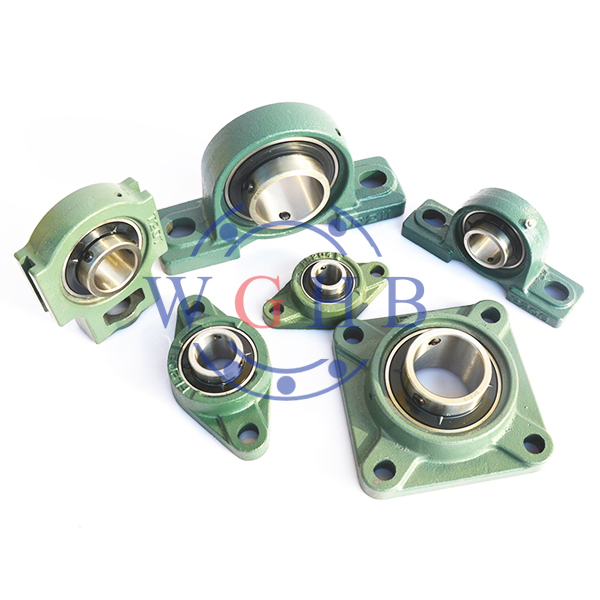
Application of Pillow Block Bearing
Pillow block bearing, also known as seat bearing, is a common mechanical component in industry. It consists of a bearing mounted in a seat body, which can provide support and lubrication for the rotating shaft. Due to its simple structure, easy installation and easy maintenance, pillow block bearing is widely used in various application scenarios, especially in situations where rotating machinery needs to be supported.
-
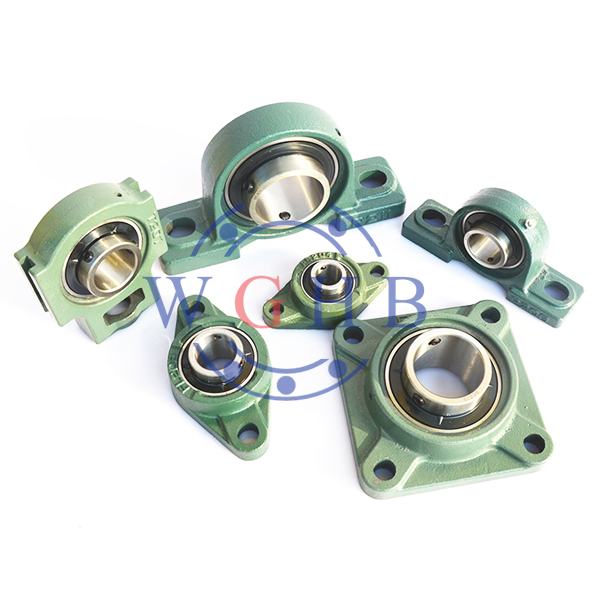
What is UCT Series Pillow Block Bearing
In the field of mechanical engineering, UCT Series Pillow Block Bearing (Pedestal Ball Bearing) is a component with an important role.
-
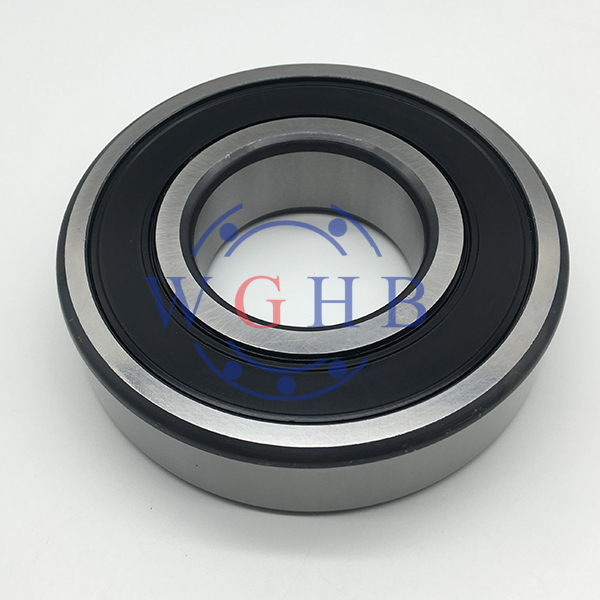
What is Ball Bearing?
In modern mechanical engineering, bearings play a vital role. Various types of bearings support rotating parts, reduce friction and wear, and extend the service life of equipment. Ball Bearing is the most widely used type of bearing, and it plays an irreplaceable role in various fields. So, what is Ball Bearing, how does it work, and what are its applications?
-
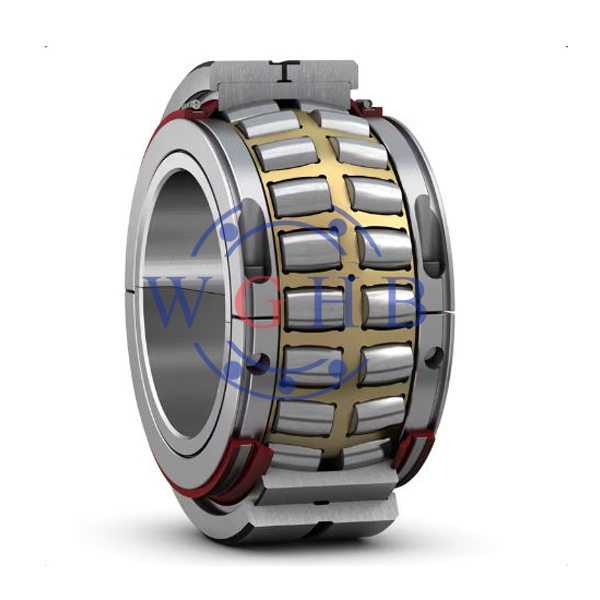
What are the types of bearings?
Bearings are an indispensable key component in modern mechanical equipment. They play an important role in reducing friction and supporting rotating or moving parts. There are many types of bearings according to different application requirements and working environments.
-
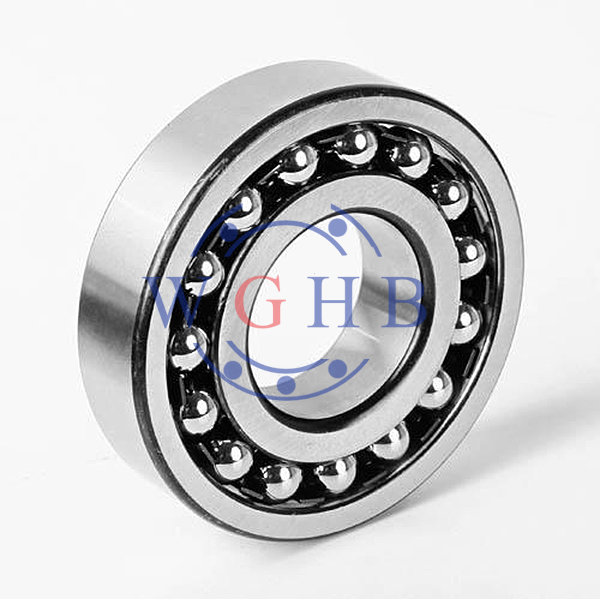
What are the advantages of self-aligning bearings?
In the world of industrial machinery, the advent of self-aligning bearings has marked a significant technological milestone. These innovative components are transforming the efficiency and reliability of various mechanical systems, driving industries to new heights of productivity and performance.
-
What is a self-aligning ball bearing
In the intricate world of mechanical components, ball bearings are the silent workhorses that enable smooth and efficient operation in countless machines. Among the various types of bearings, the self-aligning ball bearing stands out for its unique design and versatility. This innovative component is not just another piece of machinery; it's a game-changer in the realm of engineering.
-
What is Double row angular contact ball bearing
In the intricate world of mechanical components, ball bearings are the unsung heroes that keep machinery of all sizes and purposes running smoothly. Among the various types of ball bearings, the double row angular contact ball bearing stands out for its unique design and applications. Let's delve into the details of this sophisticated bearing and understand its significance in the engineering realm.
-
Special Bearings: A Comprehensive Guide to Types and Applications
In the ever-evolving world of industrial machinery and advanced engineering, special bearings play a crucial role in ensuring the smooth and efficient operation of various systems. Unlike standard bearings, special bearings are designed to meet specific requirements and withstand unique operational conditions.
-
What is the Cause of Bearing Splitting?
In the intricate world of machinery and mechanical systems, bearings play a critical role in ensuring smooth operation and longevity of equipment. However, a common and concerning issue that many industries face is bearing splitting. This phenomenon can lead to significant operational disruptions and costly repairs.
-
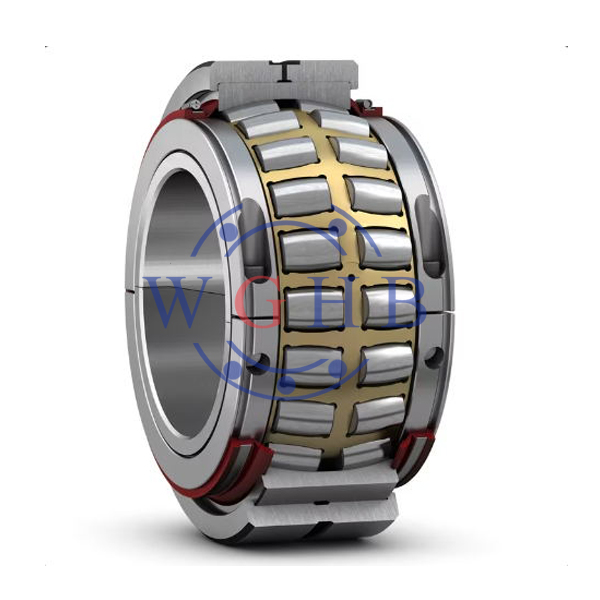
Split spherical roller bearings: a revolutionary advance in industrial equipment maintenance
With the continuous upgrading and complexity of industrial equipment, the efficiency of equipment maintenance and replacement has become increasingly important. Recently, the introduction of split spherical roller bearings has brought revolutionary progress to the maintenance of industrial equipment
-
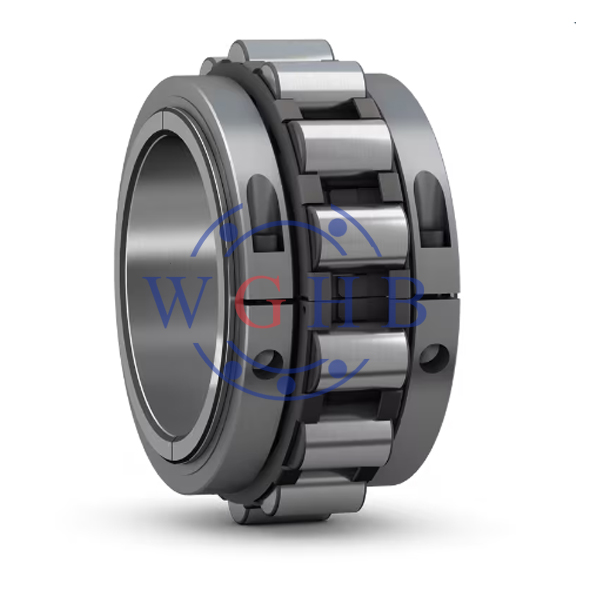
What is a Split Bearing Used For?
In the world of mechanical engineering, bearings play a crucial role in ensuring the smooth operation of machinery. However, have you ever wondered what a split bearing is and what it's used for? In this article, we will explore the unique features and applications of split bearings.
-
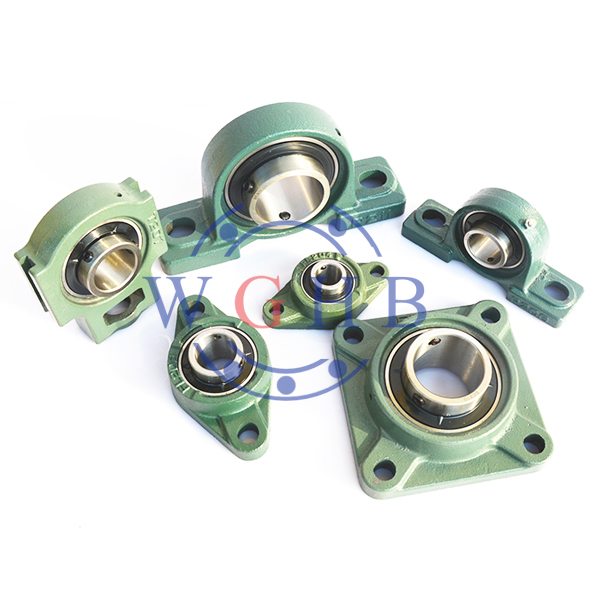
Revolutionizing Industries: The Comprehensive Range of Pillow Block Bearings
In a significant development for the manufacturing and engineering sectors, a comprehensive range of Pillow Block Bearings has been unveiled, catering to diverse operational needs and setting new standards in mechanical support and efficiency. Among the extensive lineup, the UC series Pillow Block Bearing, UP series, UK series, and various specialized models like UCPH, UKP, and UCECH series stand out for their robust design and versatility.
-
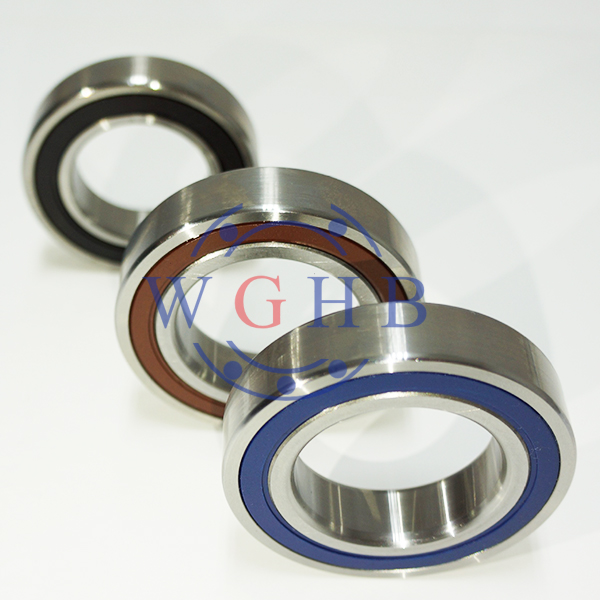
What is a single row angular contact ball bearing? Explore the important components in mechanical engineering
In the field of mechanical engineering and industrial manufacturing, bearings are an indispensable key component. Single row angular contact ball bearings play an important role in many applications due to their unique design and superior performance. Today, we will take a deep look at the characteristics, applications and importance of this bearing in modern industry.
-
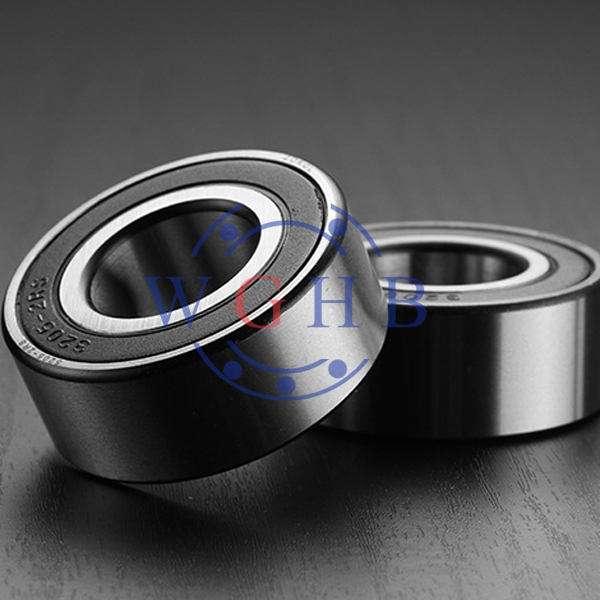
Double-row angular contact ball bearings: a new tool to improve mechanical performance
In recent years, with the continuous development of industry and manufacturing, mechanical equipment has higher and higher requirements for bearings. As a type of bearing with excellent performance, double-row angular contact ball bearings are emerging in more and more applications due to their excellent load-bearing capacity and high-precision operation.
-
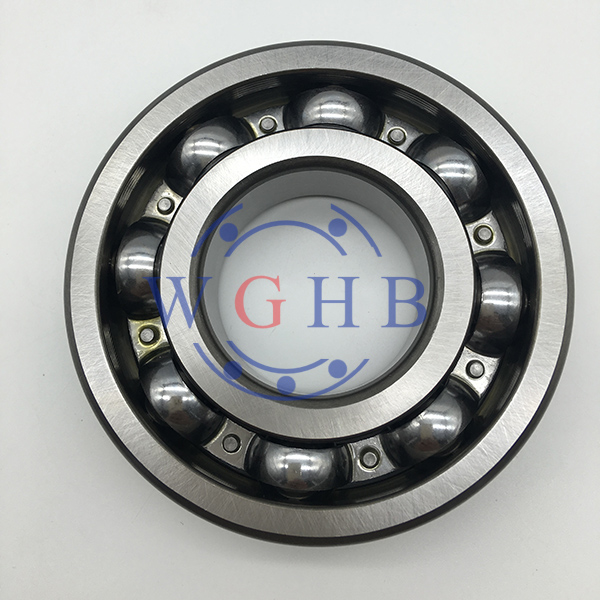
Innovative technological breakthroughs, deep groove ball bearings are widely used to improve industrial efficiency
In today's rapidly developing industrial field, deep groove ball bearings are valued for their excellent performance and wide range of applications. This bearing is designed to withstand radial loads and combined loads acting simultaneously in radial and axial directions. It is particularly suitable for mechanical parts such as small power motors, automobile and tractor gearboxes, and machine tool gearboxes. Its low friction resistance and high speed make it an indispensable component in many industries.
-
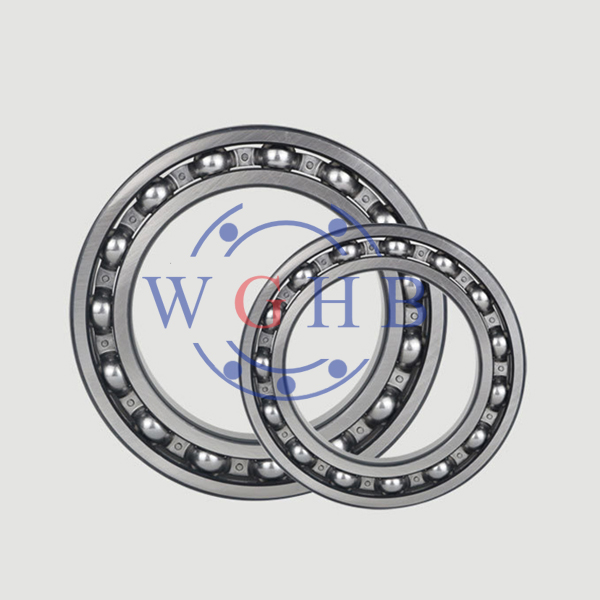
Deep groove ball bearings are widely used and promote technological upgrades in multiple industries
As the most common bearing in the industrial field, deep groove ball bearings are promoting technological upgrades and performance improvements in multiple industries with their high precision, high durability and versatility. Recently, with the advancement of manufacturing technology and the diversification of application needs, the application range and performance of deep groove ball bearings have been further expanded.
-
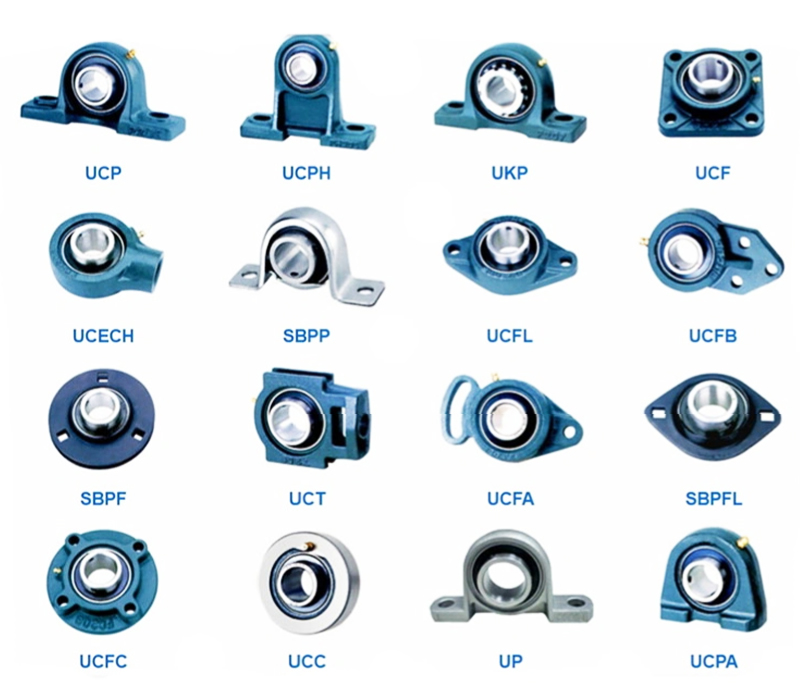
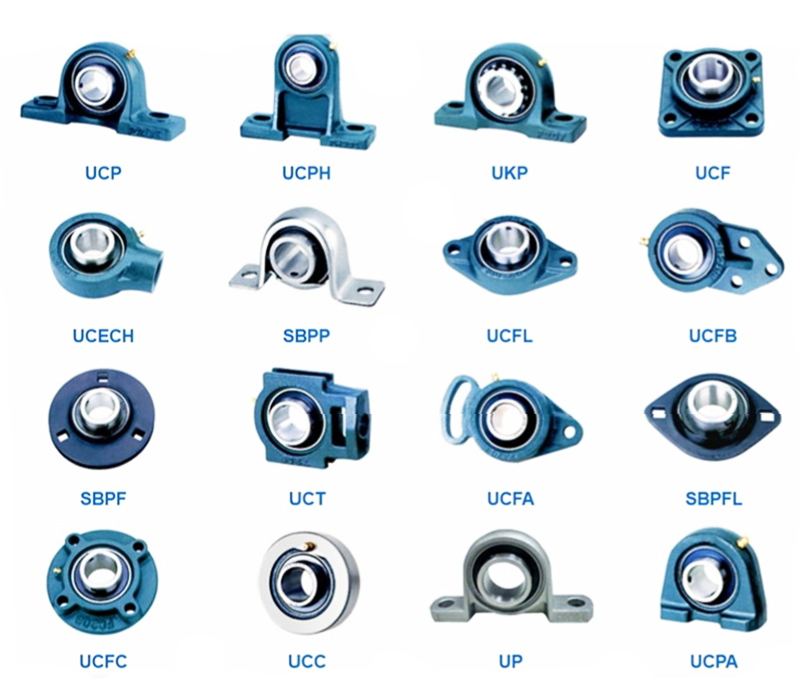
New Series Pillow Block Bearing: Leading the Innovation of Industrial Bearings
Pillow Block Bearings play a vital role in modern industrial machinery applications. In order to meet the ever-increasing demand for bearing performance and reliability in various industries, multiple series of Pillow Block Bearings have been launched, covering the UC, UP, UK, UCPH, UKP, UCECH, SBPP, SBPF, SBPFL, UCFL, UCFB, UCPA, UCT, UCFA, UCFC and UCC series. These products have their own characteristics in design and function, fully meeting the needs of different application scenarios.
-
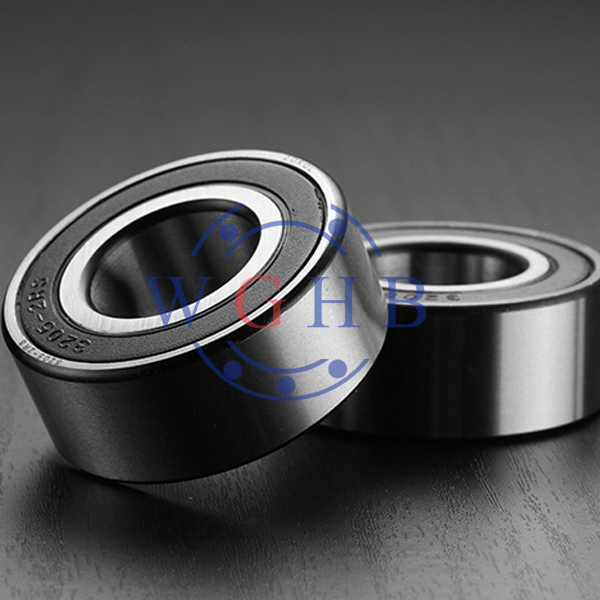
Introduction to the Code of Angular Contact Ball Bearings
Angular contact ball bearing accuracy class includes dimensional tolerance and rotation accuracy. From low to high accuracy is expressed as P0(ordinary), P6(P6X), P5, P4, P2, in addition, P3, P7, P9 are also used in European and American brands to indicate accuracy levels, P3 is equivalent to level P6 of ISO and JS standards, P7 is equivalent to level P4, and P9 is equivalent to level P2.